

Safeguarding
Safeguarding

Mr L Mansfield
Designated Safeguarding Person

Mr J Jones
Deputy Designated Safeguarding Person
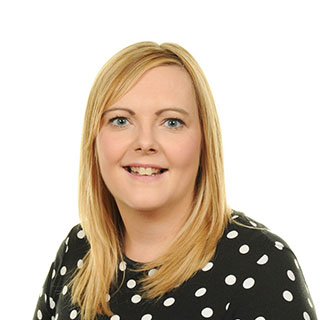
Mrs S Hill
Deputy Designated Safeguarding Person
Safeguarding at St. Julian’s Primary School
At St. Julian’s Primary School, the safety, wellbeing and happiness of every child is our highest priority. We believe that every child has the right to feel safe, valued, respected and listened to. Creating a secure, nurturing environment enables our pupils to flourish academically, socially and emotionally.
Safeguarding is everyone’s responsibility. Every member of our staff, governors, volunteers and visitors has a duty to help keep children safe. We work hard to create a culture where children know they have trusted adults they can talk to, where concerns are taken seriously, and where appropriate support is provided as early as possible.
What is Safeguarding?
Safeguarding is much more than protecting children from abuse. It is about creating an environment where children are safe, healthy, happy and able to achieve their full potential.
Safeguarding includes:
- Protecting children from abuse, neglect, exploitation and harm.
- Promoting children’s physical, emotional and mental wellbeing.
- Preventing impairment of children’s health and development.
- Ensuring children receive safe and effective care.
- Supporting children to develop resilience, confidence and positive relationships.
- Teaching children how to keep themselves safe, both in school, at home and online.
- Providing early help and support when children or families need it.
Everything we do at St. Julian’s Primary School is underpinned by our commitment to keeping children safe.
Our Responsibilities
All schools in Wales have a statutory duty to safeguard and promote the welfare of children.
At St. Julian’s Primary School we:
- Provide a safe, secure and welcoming learning environment.
- Ensure all staff receive regular safeguarding and child protection training.
- Maintain robust safer recruitment procedures.
- Teach children how to stay safe through the Curriculum for Wales.
- Promote children’s wellbeing, resilience and positive mental health.
- Listen carefully to children and take all concerns seriously.
- Work closely with parents and carers wherever possible.
- Work alongside external agencies whenever additional support or protection is required.
- Follow Welsh Government legislation, national guidance and local safeguarding procedures at all times.
Our safeguarding arrangements are underpinned by our Child Protection (Safeguarding) Policy, which provides clear procedures for preventing harm, responding to concerns and working in partnership with families and other agencies to keep children safe.
Our Child Protection & SafeguardingPolicy
Every school is required to have a Child Protection Policy, often referred to as the school’s Safeguarding Policy.
Our policy has been developed in accordance with Welsh Government legislation, national guidance and local safeguarding procedures, including:
- Keeping Learners Safe
- Working Together to Safeguard People
- The Social Services and Well-being (Wales) Act 2014
- The All Wales Child Protection Procedures
- Guidance issued by the Gwent Safeguarding Partnership and Newport City Council.
The purpose of our Child Protection (Safeguarding) Policy is to ensure that effective measures are in place to protect children from harm and to promote their safety, health and wellbeing. It underpins every aspect of school life and ensures that safeguarding remains at the heart of everything we do.
Having our safeguarding policy in place ensures that everyone within our school community:
- Understands that safeguarding is everyone’s responsibility.
- Knows how to recognise signs that a child may be at risk of harm.
- Knows how to report concerns promptly and appropriately.
- Understands the school’s procedures for responding to safeguarding concerns.
- Works together to create a safe, caring and inclusive environment where every child feels valued and protected.
- Understands their legal responsibilities to safeguard children.
- Knows how the school works alongside families and partner agencies to protect children.
- Helps ensure that the welfare of every child is always our highest priority.
Our Child Protection (Safeguarding) Policy is reviewed regularly to ensure it reflects the latest legislation, statutory guidance and best practice.
You can download our current Child Protection (Safeguarding) Policy below.
Designated Safeguarding Persons (DSPs)
The school has trained Designated Safeguarding Persons (DSPs) who are responsible for leading safeguarding and child protection across the school.
If a child discloses information, or a member of staff has concerns about a child’s safety or welfare, these concerns are reported immediately to a DSP, who will take the appropriate action.
Our Designated Safeguarding Persons are shown at the top of this page.
If We Have a Safeguarding Concern
Sometimes a child may tell a member of staff something that worries them, or a member of staff may notice signs that indicate a child may need help or protection.
Whenever concerns arise we will:
- Listen carefully and reassure the child.
- Record concerns accurately and promptly.
- Report concerns immediately to a Designated Safeguarding Person.
- Assess the information carefully.
- Seek advice from Children’s Services or other safeguarding professionals where appropriate.
- Make referrals to Social Services or the Police where necessary.
- Continue to support the child whilst maintaining appropriate confidentiality.
The welfare of the child is always our paramount consideration.
Whilst we will work with parents wherever possible, there may be occasions where we are legally required to share information with Children’s Services or the Police without first informing parents if doing so is considered to be in the child’s best interests or could place the child at greater risk.
Types of Abuse
All staff receive training to recognise the signs of abuse and neglect. The four main categories of abuse are:
Physical Abuse
Deliberately causing physical harm to a child, including hitting, shaking, burning, poisoning or otherwise causing injury.
Emotional Abuse
Persistent emotional ill-treatment which affects a child’s emotional development. This may include humiliation, intimidation, rejection, constant criticism or exposing children to domestic abuse.
Sexual Abuse
Forcing or encouraging a child to take part in sexual activities, whether contact or non-contact, including online abuse and exploitation.
Neglect
The persistent failure to meet a child’s basic physical or emotional needs, including inadequate supervision, food, clothing, medical care, education or emotional support.
Additional Safeguarding Risks
Safeguarding also includes protecting children from a wide range of other risks, including:
- Child Criminal Exploitation (CCE)
- Child Sexual Exploitation (CSE)
- County Lines
- Grooming
- Online abuse and exploitation
- Bullying and cyberbullying
- Peer-on-peer abuse
- Domestic abuse
- Female Genital Mutilation (FGM)
- Forced marriage
- Honour-based abuse
- Radicalisation and extremism
- Missing education
- Modern slavery and human trafficking
- Substance misuse
Our staff receive regular training to recognise these risks and respond appropriately.
Working with Other Agencies
Keeping children safe is a shared responsibility.
The school works closely with a wide range of professional agencies to ensure that children and families receive the right support at the right time. These include:
- Newport Children’s Services
- Gwent Police
- Health professionals
- School Nursing Service
- Educational Psychology Service
- CAMHS (Child and Adolescent Mental Health Services)
- Education Welfare Service
- Early Help services
- Family Support Services
- Specialist safeguarding teams
- Other agencies involved in supporting children and families.
Where appropriate, we share information lawfully and proportionately to help safeguard children and ensure they receive the support they need.
Operation Encompass
St. Julian’s Primary School proudly participates in Operation Encompass.
Operation Encompass is a partnership between schools and Gwent Police that supports children who have experienced domestic abuse.
Following a domestic abuse incident attended by the police where a child was present or may have been affected, the school receives confidential information before the start of the next school day.
This enables our safeguarding team to:
- Provide appropriate emotional support.
- Understand changes in a child’s behaviour or presentation.
- Respond sensitively to the child’s needs.
- Ensure appropriate support is available throughout the school day.
Information shared through Operation Encompass is treated confidentially and only shared with staff who need to know in order to support the child.
Online Safety
Technology plays an important role in modern education, and helping children use it safely is a key part of safeguarding.
Children learn about online safety throughout the curriculum, including:
- Staying safe online.
- Protecting personal information.
- Respectful online behaviour.
- Cyberbullying.
- Safe use of social media.
- Online gaming.
- Fake news and misinformation.
- Healthy screen habits.
- How to report concerns.
The school uses filtering and monitoring systems to help protect pupils when using school technology, and staff supervise children whenever digital devices are used.
We encourage parents and carers to maintain open conversations at home about internet use and online safety.
Pupil Wellbeing and Mental Health
Positive mental health is fundamental to children’s learning, development and safeguarding.
We recognise that children may experience worries, anxiety, bereavement, family difficulties or other challenges that affect their wellbeing.
We promote emotional wellbeing by:
- Building positive relationships with trusted adults.
- Delivering high-quality Health and Well-being learning through the Curriculum for Wales.
- Teaching emotional literacy and resilience.
- Encouraging children to talk about their feelings.
- Providing pastoral support where needed.
- Working alongside families and specialist agencies to access additional support.
We believe that children who feel safe, supported and valued are best able to learn and succeed.
Attendance and Safeguarding
Regular attendance at school is an important safeguarding measure.
We monitor attendance carefully and work with families to understand and overcome barriers to attendance wherever possible. Where necessary, we work alongside the Education Welfare Service and other agencies to ensure children remain safe and receive their entitlement to education.
Safer Recruitment
The safety of children begins with ensuring that only suitable adults work within our school.
All staff, governors and regular volunteers undergo appropriate safer recruitment checks, including:
- Enhanced Disclosure and Barring Service (DBS) checks.
- Identity verification.
- Employment references.
- Qualification checks.
- Right to work checks.
- Prohibition checks where applicable.
All new staff receive safeguarding training as part of their induction and participate in regular safeguarding updates throughout their employment.
Visitors to School
To help keep our children safe, all visitors to the school must:
- Report to the school office on arrival.
- Sign in using our visitor management system.
- Wear a visitor badge whilst on site.
- Follow the school’s safeguarding expectations.
- Be accompanied where appropriate.
Any concerns regarding visitors are dealt with immediately.
Children’s Rights
At St. Julian’s Primary School, safeguarding is closely linked to children’s rights.
As a school in Wales, we are committed to promoting the principles of the United Nations Convention on the Rights of the Child (UNCRC) and ensuring that every child is treated with dignity, respect and fairness.
Key rights that underpin our safeguarding work include:
- Article 3 – The best interests of the child must be a primary consideration.
- Article 12 – Every child has the right to express their views and be listened to.
- Article 19 – Every child has the right to protection from abuse, neglect and violence.
- Article 24 – Every child has the right to the best possible health.
- Article 28 – Every child has the right to an education.
- Article 29 – Education should help children develop their talents, abilities and respect for others.
- Article 31 – Every child has the right to rest, play and recreation.
- Article 39 – Children who have experienced abuse or neglect have the right to help and support to recover.
You can find out more about children’s rights by visiting the UNICEF Rights Respecting Schools website:
Speaking to Us About a Concern
If you have any concerns about the safety or wellbeing of a child, please contact the school immediately and ask to speak to our Designated Safeguarding Person (DSP).
If you believe a child is at immediate risk of harm, you should contact the Police by calling 999.
Useful Links
- Welsh Government – Keeping Learners Safe
- Gwent Safeguarding Partnership
- Newport City Council Children’s Services
- NSPCC – www.nspcc.org.uk
- Childline – www.childline.org.uk
- CEOP (Child Exploitation and Online Protection) – www.ceop.police.uk
- Internet Matters – www.internetmatters.org
- UK Safer Internet Centre – www.saferinternet.org.uk
Together, by working in partnership with families, our community and other agencies, we are committed to ensuring that every child at St. Julian’s Primary School is safe, happy, supported and able to flourish.
Domestic Abuse – Live Fear Free
If you, a family member a friend, or someone you are concerned about has experienced domestic abuse or sexual violence, you can contact the Live Fear Free Helpline 24 hours a day 7 days a week